




When is the best time to go on a cruise in Africa?
The optimum timings for cruises in Africa can differ depending on which part of the continent you’re exploring.
You can take a North Africa cruise at any time of the year and soak up the sunshine in cities such as Casablanca, Marrakech, Tunis and Rabat. You’ll typically find the mildest temperatures in North Africa during winter, from December to February, which can provide a more comfortable experience when exploring archaeological sites such as the Baths of Antoninus in Tunis, Tunisia, and Casablanca’s varied architecture.
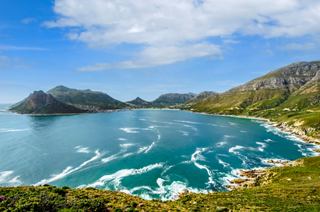
Meanwhile, cruises departing from South Africa are available during the summer season, from November to April. To make the most of Cape Town’s world-famous beaches, such as Camps Bay and Llandudno, visit between December and February when the weather is at its sunniest.
Those seeking a safari at the Aquila Private Game Reserve will love an autumn visit during March and April, when animals tend to congregate around watering holes.
What's the weather like in the African countries?
When booking a cruise in Africa, prepare for a glorious amount of sunshine. Cruises to North Africa run year-round, so you can expect temperatures between 25°C and 40°C in Moroccan cities such as Casablanca, Marrakech and Rabat during the summer (June-September). In winter (December-March), temperatures drop to between 8°C and 17°C.
Summer in Tunisia generally stretches from May to October, with temperatures spiking at around 35°C, while winters (December to February) see things cool to around 18°C on average. October, November and December are the wettest months.
High summer in South Africa occurs from December to February, with temperatures reaching about 25°C and days cooled down by mountain and sea breezes. Durban’s subtropical climate means you can expect warmer weather, with some showers cooling things down.
Tropical island Mauritius also has a humid climate for most of the year, with occasional heavy rain. Summer is usually hot, while winters are cooler and drier. Namibia is mostly dry and hot, with summer bringing some rain, too.
What countries are part of an African cruise?
From Roman baths and maze-like medinas in the north, to wildlife and wine tastings in the south, our cruises to Africa are packed with potential.
In Morocco, take in Casablanca’s mix of architectural styles, enjoy a break in Place Mohammed V – admiring its palms and tiered fountain – or visit the ornate Hassan II Mosque, which clings to the coast and stretches into the Atlantic. Further afield, get lost in a Marrakech souk or take in Rabat’s blend of indigenous and colonial history.
Fall for the charms of Tunisia on a visit to storied archaeological sites in Tunis (via the port of La Goulette), including the largest Roman baths constructed in Africa, and the tunnels of the Roman Cisterns of La Malga, which kept ancient Carthage hydrated. Or delve into the history of one of the world’s oldest civilisations in Egypt.
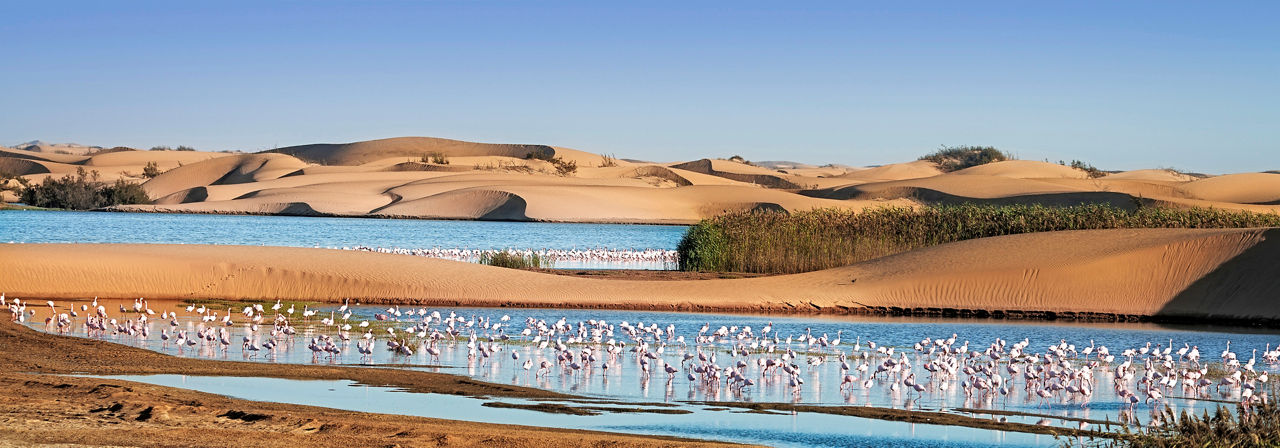
In South Africa, treasure the view of Cape Town from the top of Table Mountain and sample Durban’s Indian-inspired cuisine. If relaxation calls, put your feet up on an idyllic beach in Mozambique or Mauritius, gaze at sand dunes meeting the sea in Namibia. Or observe fantastic wildlife in Madagascar, view the wild, volcanic landscapes of Réunion and kick back on the coast in Mayotte.
Enjoy island life in the Seychelles, where you can head to capital Victoria to spot marine wildlife at Sainte Anne Marine National Park or simply bask on multiple dreamy beaches, adding in swimming and snorkelling sessions, and perhaps even a catamaran cruise.
In Kenya, a world of wildlife discovery awaits, as do fantastic landscapes, incredible cuisine and numerous other adventures.
How much is a cruise to Africa?
The exact price of your Africa cruise will vary depending on the length of the itinerary – select a budget-friendly four-night cruise for the perfect introduction to a destination or spend more on a longer getaway and delve deeper into your chosen location.
So, whether you’re keen for a 14-night cruise that travels from Durban to Mauritius and back, or a shorter sojourn in the Western Mediterranean with a stop in Tunisia, MSC Cruises can deliver an option that’s right for both you and your bank account.
What to pack for a cruise to Africa?
Whether you’re embarking on a Mediterranean cruise that stops in North Africa or travelling between ports in southern Africa, packing the right clothes, shoes and kit will make your trip even more enjoyable.
Cities in North Africa such as Casablanca, Marrakech and Tunis can get hot in summer, so bring a hat (wide-brimmed if possible) and light clothing. Also top up on your sunblock and keep a water bottle with you. A good pair of sunglasses is also advisable, so that you can properly take in sights like the sun bouncing off snow-white buildings in Sidi Bou Said on the Tunisian coastline.
A solid pair of walking shoes is always a plus, especially when striding around souks in Marrakech or archaeological sites such as the Roman Cisterns of La Malga in Tunisia. Also be aware that women will need a head covering when entering a mosque.
The fact that you can embark on a cruise all year round means you might also require something a little warmer, such as a light jacket, for winter evenings.
Summer in South Africa and its neighbouring countries – like Namibia and Mozambique – can get warm, so sunglasses, a hat, light clothing and shorts can make you feel more comfortable. You’ll also never be too far away from a beach, so packing a lightweight sarong is always a good idea.
How long is a cruise to Africa?
From Mediterranean cruises that call in at North Africa to trips in the waters off southern Africa, MSC Cruises offers you the chance to set sail for a few days or a few weeks.
A Western Mediterranean cruise stopping in Tunisia typically lasts up to seven nights after embarking from a European port such as Genoa or Marseille, and stopping in cities such as Barcelona, Palermo and Naples (for Pompeii), alongside La Goulette, which acts as a gateway to Tunis.
You can travel from Barcelona to Tangier on a 15-night trip that also calls at destinations such as Buenos Aires and Rio de Janeiro. Or consider stopping off in Casablanca during a 23-night voyage from Palermo to Miami.
Most trips in South Africa embark in Durban, with itineraries ranging from three-to-five-night cruises to Mozambique and back, to a three-night voyage to Cape Town. Alternatively, a 14-night trip sails to Mauritius and back.
You can also travel from Cape Town to Walvis Bay – in Namibia – and back over five nights.
What is the time zone in African countries?
It’s always useful to keep track of time zones during cruises to Africa, making it easier to stay in touch with family and friends back home.
Morocco operates on Greenwich Mean Time (GMT, UTC+0) throughout the year, the same as the UK during winter and one hour behind the UK during British Summer Time (BST).
Tunisia uses Central European Time (CET, UTC+1) all year round. It is one hour ahead of the UK during winter and on the same time as the UK during BST.
South Africa, Mozambique and Namibia operate on UTC+2 throughout the year. They are two hours ahead of the UK during winter and one hour ahead during British Summer Time.
Mauritius uses Mauritius Time (MUT, UTC+4) all year round. It is four hours ahead of the UK during winter and three hours ahead during British Summer Time.
What is the currency in the African countries?
The Moroccan dirham (MAD) is the local currency in Morocco. Places that attract many visitors may accept euros or US dollars, but it’s always wise to have dirhams to hand for most transactions.
The currency of Tunisia is the Tunisian dinar (TND). Be aware that the Tunisian dinar is a ‘closed currency’ and it is a criminal offence to either import or export it in Tunisia. You can exchange pounds sterling, euros and dollars once you are in Tunisia.
The currency in South Africa is the rand (ZAR), while Mozambique uses the Mozambican metical (MZN). Mauritius uses the Mauritian rupee (MUR) and Namibia uses the Namibian dollar (NAD). Some African countries will also accept US dollars.


