







When is the best time for a cruise to Turkey?
MSC Cruises operates cruises to Turkey all year, but you'll get the most out of spring, summer and autumn if you want to mix sightseeing with time by the water.
Spring (April-June) works well for anyone planning to explore Ephesus, as exploring those marble ruins in milder temperatures is far more comfortable than in peak summer. This is also the season for 4x4 trips through blooming countryside and strolling Istanbul’s parks during the famous April Tulip Festival, when millions of flowers brighten the city. Spring also marks the beginning of Turkey’s outdoor festival season.
A summer Turkey cruise (June-September) is best if beaches and water activities top your list. Swim off Kuşadası, cycle its coastline, spend afternoons at beach clubs in Marmaris or Çeşme, or spot nesting loggerhead turtles on İztuzu Beach. Cultural festivals light up the city in July, while waterfronts in İzmir and Marmaris fill with live music and evening festivities throughout the season.
Many consider autumn (September-November) prime time for holidays to Turkey. The sea stays warm enough for swimming, while cooler air makes exploring markets and the ruins of Ephesus more pleasant, as crowds thin out and the light softens. İzmir’s famous International Fair – a major cultural and commercial event – gets underway from late August to early September.
Winter days can be cool and wet, but mosques, museums and covered bazaars stay busy regardless.
What's the weather like in Turkey?
Turkey sits between the Mediterranean, Aegean and Black Sea, so weather varies by region. Our cruises to Turkey stop in Istanbul and in ports along the western coast, which enjoys a Mediterranean climate with warm, sunny summers and mild winters.
Spring is a lovely time to visit, with temperatures of around 15-25°C that work well for both sightseeing and being outdoors. The countryside turns green and by late May, the Aegean is warm enough for a first swim.
Sunshine is reliable year-round, though you can expect the most sun and least rain between June and October. During this time, temperatures push up to 28-35°C and the sea reaches around 24-28°C – ideal for swimming or any water activities you want to try. Afternoon breezes from the water help cut the heat.
Autumn brings temperatures of about 18-28°C, meaning that beaches are still very much an option at this time. The sea generally stays warm through early October, and the cooler air makes walking around cities or visiting ruins a little easier than in peak summer.
Where do cruise ships dock in Turkey?
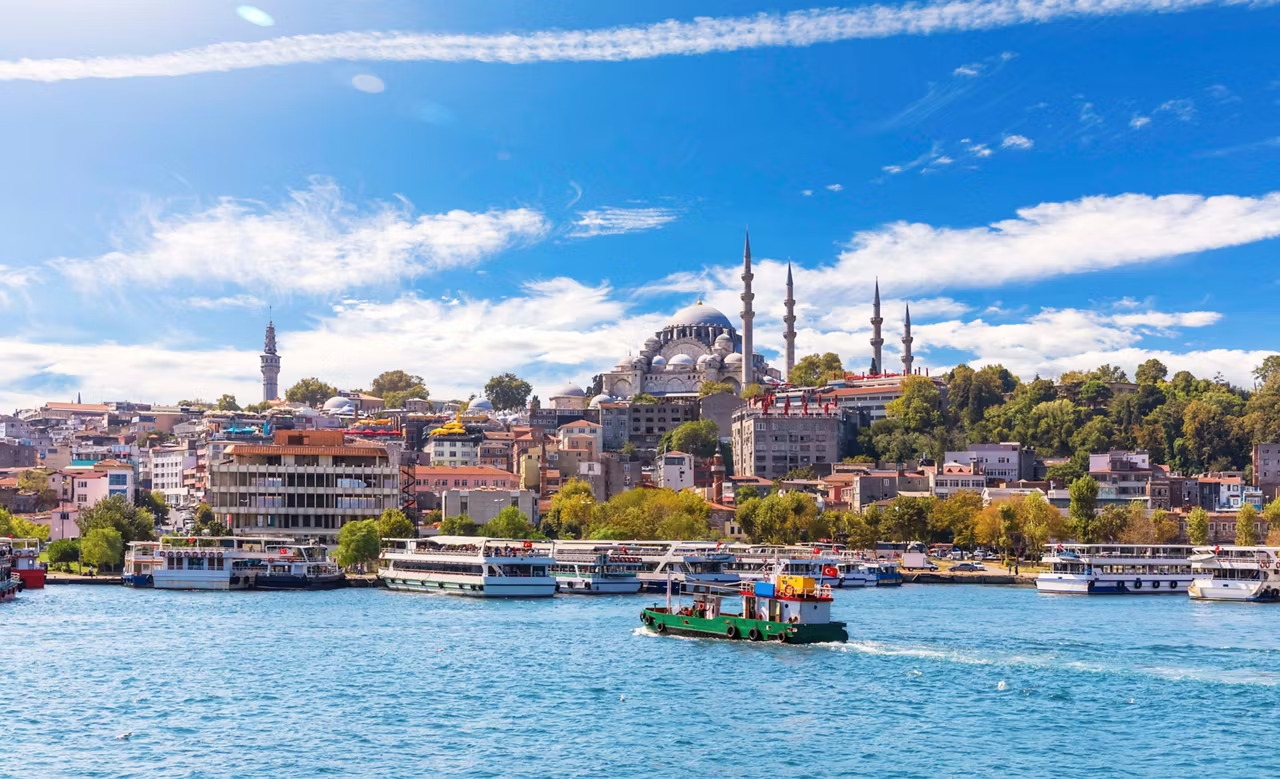
MSC Cruises’ voyages to Turkey visit four ports, each with their own character and appeal. Istanbul sprawls across the Bosphorus, with one foot in Europe and another in Asia. Here, Ottoman palaces stand alongside Byzantine monuments, covered markets hum with activity, and modern life plays out on ancient foundations.
İzmir to the south has a more laid-back rhythm – think local markets and harbourside cafes. It's the gateway to Ephesus and its Roman ruins, and often a highlight of Turkey holidays for many passengers. The beach resort of Kuşadası offers even quicker access to Ephesus and the House of the Virgin Mary, along with coastal cycling and chic beach clubs.
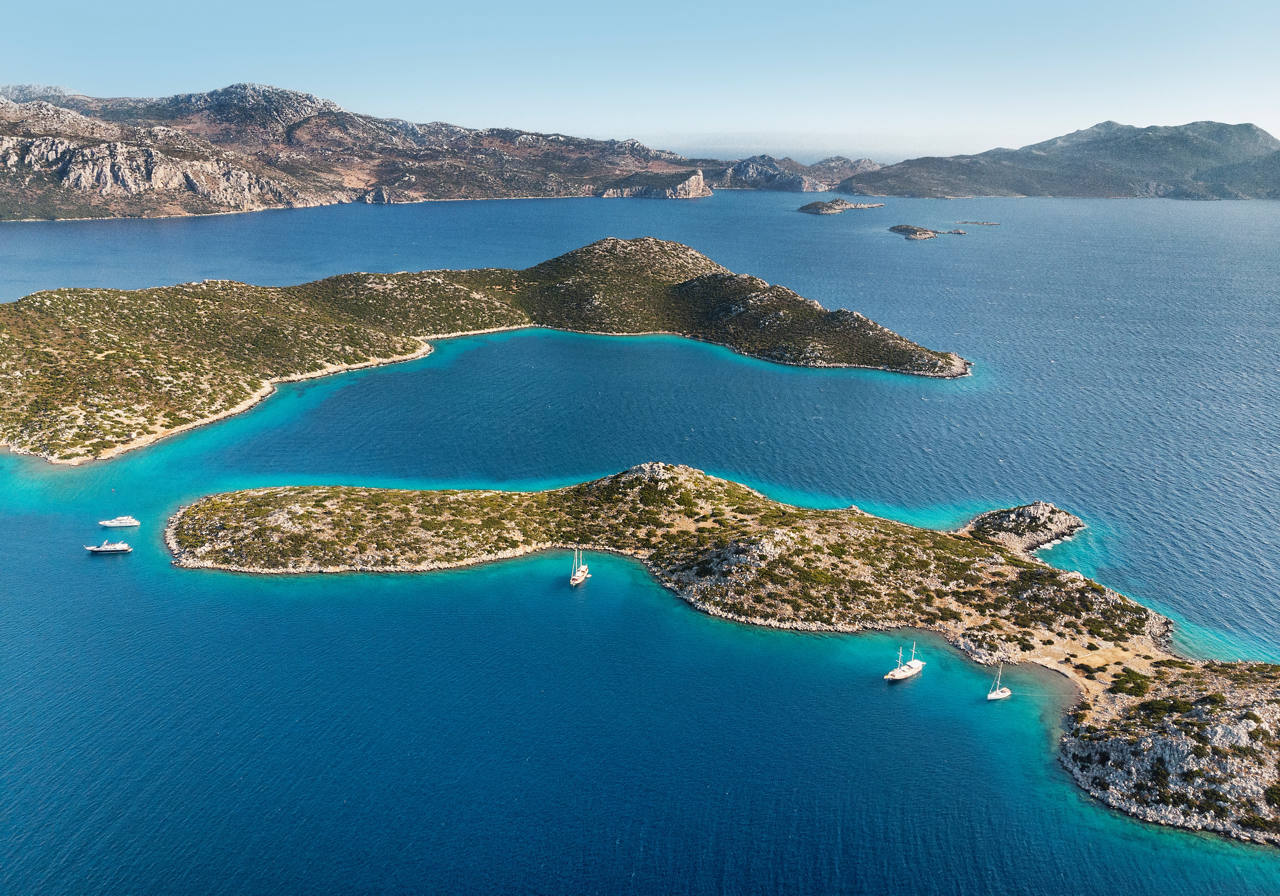
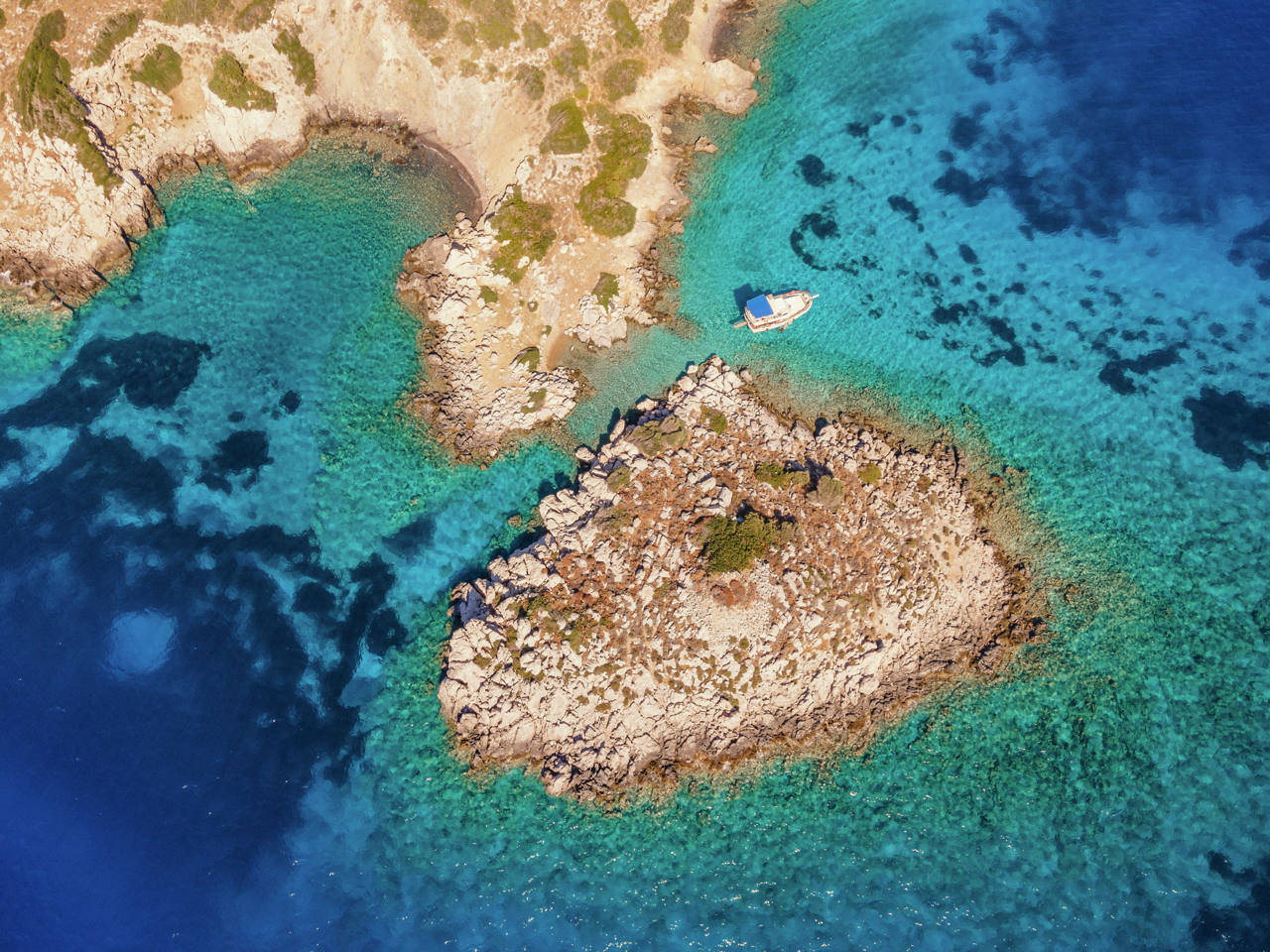
Another port of call on your Turkey cruise might be Marmaris, which occupies a sweeping natural harbour, where pine-covered hills drop straight to clear water. Enjoy boat trips to hidden coves or head inland to Dalyan, where ancient tombs tower over the river and turtles nest on İztuzu Beach.
How much is a cruise to Turkey?
MSC Cruises offers Turkey itineraries to suit every budget and interest. Check out our cruise deals to Turkey, then get ready for Ottoman palaces, spice-filled markets, marble Roman ruins and silky, sun-soaked beaches, all at a price that suits you.
What to pack for a cruise to Turkey?
Packing for cruises to Turkey depends on what time of year you’re travelling, but if you’re visiting between April and October, focus on light, breathable clothing for warm days and cooler evenings.
Bring comfortable walking shoes to explore ruins, cobbled streets and markets. Sandals work for casual strolls, but save the flip-flops for the beach and poolside. A sun hat, sunglasses and high-SPF sunscreen are essentials in the summer sun, but remember to bring them when travelling in other seasons, too.
Pack modest clothing if you plan to visit mosques or religious sites. This means covering shoulders and knees for both men and women. A small daypack is handy for carrying water, your phone and market finds.
Evenings on board your ship can be cooler, particularly in spring and autumn, so do add in a light jacket or cardigan. If your cruise includes formal dining nights, check MSC Cruises’ dress code and pack accordingly.
What currency does Turkey use?
Turkey uses the Turkish lira (TL). Notes come in 5, 10, 20, 50, 100 and 200 TL denominations, while coins range from 5 kuruş to 1 TL – though these days you’ll mostly handle notes and 1 TL coins. You can pay by card in most city restaurants and shops, but cash is better for markets, taxis and local cafes.
ATMs are easy to find at all cruise ports and around all port cities that MSC Cruises sails to in Turkey (Istanbul, Kuşadası, İzmir and Marmaris). However, it’s sensible to always carry a small amount of cash with you in case there’s not an ATM immediately nearby.
What time zone is Turkey?
Turkey operates on Turkey Time (TRT), which is three hours ahead of Greenwich Mean Time (GMT) year-round, as Daylight Saving Time was dropped in 2016. For UK visitors on Turkey holidays, that means a three-hour time difference in winter and two hours when British clocks change in summer. So, noon in London is 3pm in Istanbul during winter, and 2pm during summer.
What other countries are included in a cruise that goes to Turkey?
A cruise to Turkey may include stops in other countries, such as Greece, where you can explore the Acropolis in Athens from Piraeus, or wander the whitewashed streets and waterfront tavernas of Mykonos. Other Greek destinations include Corfu, where Venetian fortresses overlook emerald bays, and Katakolon, your gateway to ancient Olympia, the birthplace of the Olympic Games.
Some of our Greece and Turkey cruise itineraries also visit Italian ports, including the magical Venice, where world-famous landmarks await, such as Doge’s Palace, Piazza San Marco and the nearby island of Murano, famous for its centuries-old tradition of glassblowing. Other Italian ports include Trieste, with its Habsburg architecture and seaside cafes, and Bari in southern Italy, which opens up access to Puglia’s Baroque towns, coastal villages and outstanding food.
Where do Turkey cruises depart from?
You can join cruises to Turkey from multiple Mediterranean ports. The main embarkation ports in Turkey itself are Istanbul and Kuşadası. Depending on the itinerary you choose, your Turkey cruise might also depart from Piraeus – for access to Athens – or from Italian ports such as Bari, Civitavecchia for Rome access, Trieste and Naples. For a classic west-to-east route, look for sailings that start in Barcelona and cruise across to Istanbul.
What are the best things to do in Turkey?
Turkey stretches across two continents, blending ancient cities with Ottoman landmarks and stunning Aegean coastlines. Explore them all on a cruise to Turkey.
Istanbul, straddling Europe and Asia, brings together iconic sights and everyday energy. Stroll the Sultanahmet district to see the Hagia Sophia, Blue Mosque and Topkapı Palace, with its intricate mosaics, ** harem** and the famous Spoonmaker diamond. Beyond the monuments, browse the Grand Bazaar, descend into the Basilica Cistern, or take to the Bosphorus for skyline views from the water.
İzmir provides easy access to Ephesus, one of the finest surviving Roman cities in the Mediterranean, with marble streets leading to the striking Library of Celsus and the Great Theatre. Back in İzmir, ride the historic Asansör lift for bay views, stroll the palm-lined waterfront, or escape to a beach club in nearby Çeşme.
Kuşadası combines easy access to Ephesus, with its own coastal charm. Excursions take you to the House of the Virgin Mary, along the coast by bike past Güvercinada and golden beaches, or inland by 4x4 through traditional villages.
Further south, Marmaris sits where mountains meet the sea, with beaches and boat trips taking centre stage. Spend an afternoon relaxing in a beach club, or hop on a cruise to hidden coves like Aquarium Bay and Paradise Island, or past ancient cliff tombs to the turtle nesting beach at İztuzu.


