


























When is the best time to cruise in Europe?
Cruising to Europe is a great idea all year around. While spring and summer offer the sunniest days and lowest rainfall, autumn is often still mild and attracts fewer crowds. The majority of attractions are open throughout these three seasons, while outdoor activities abound when nature is at its most enticing.
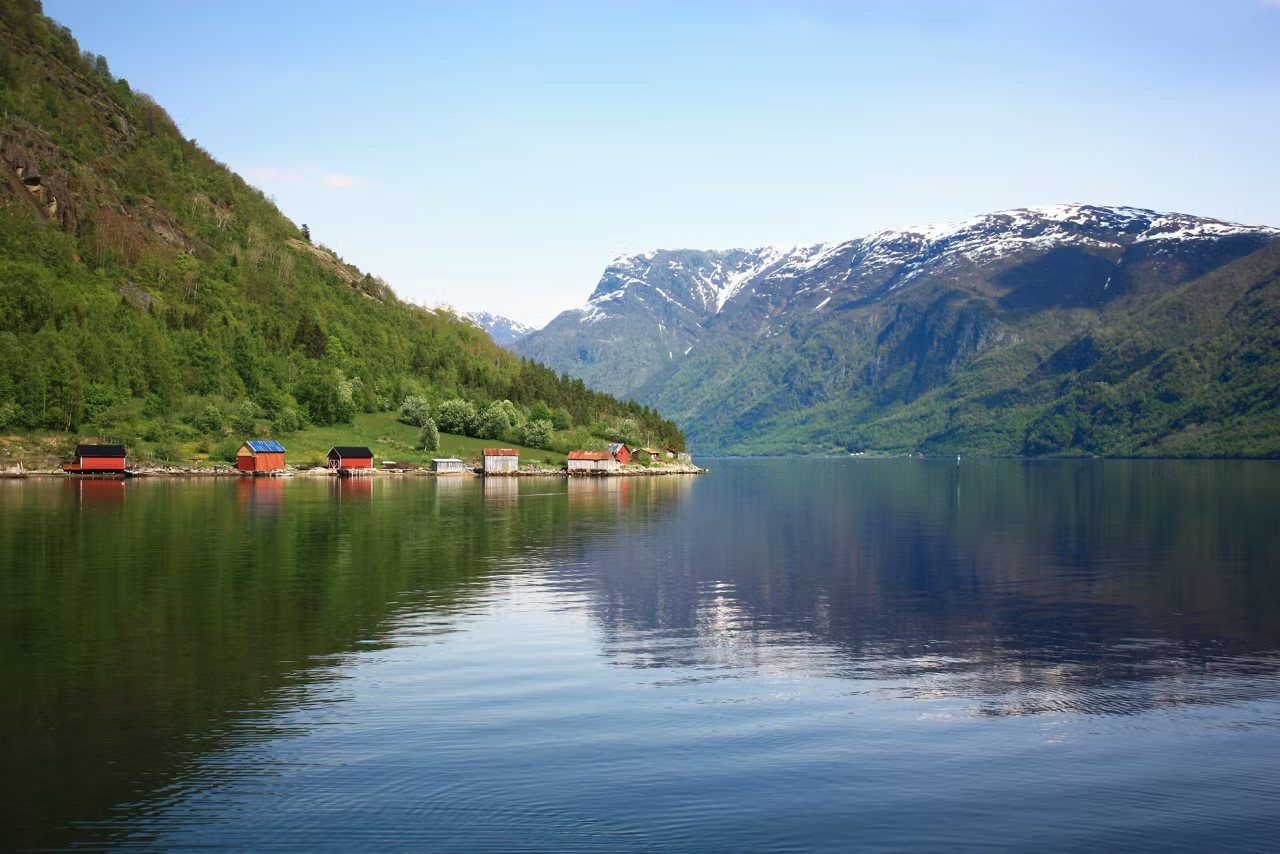
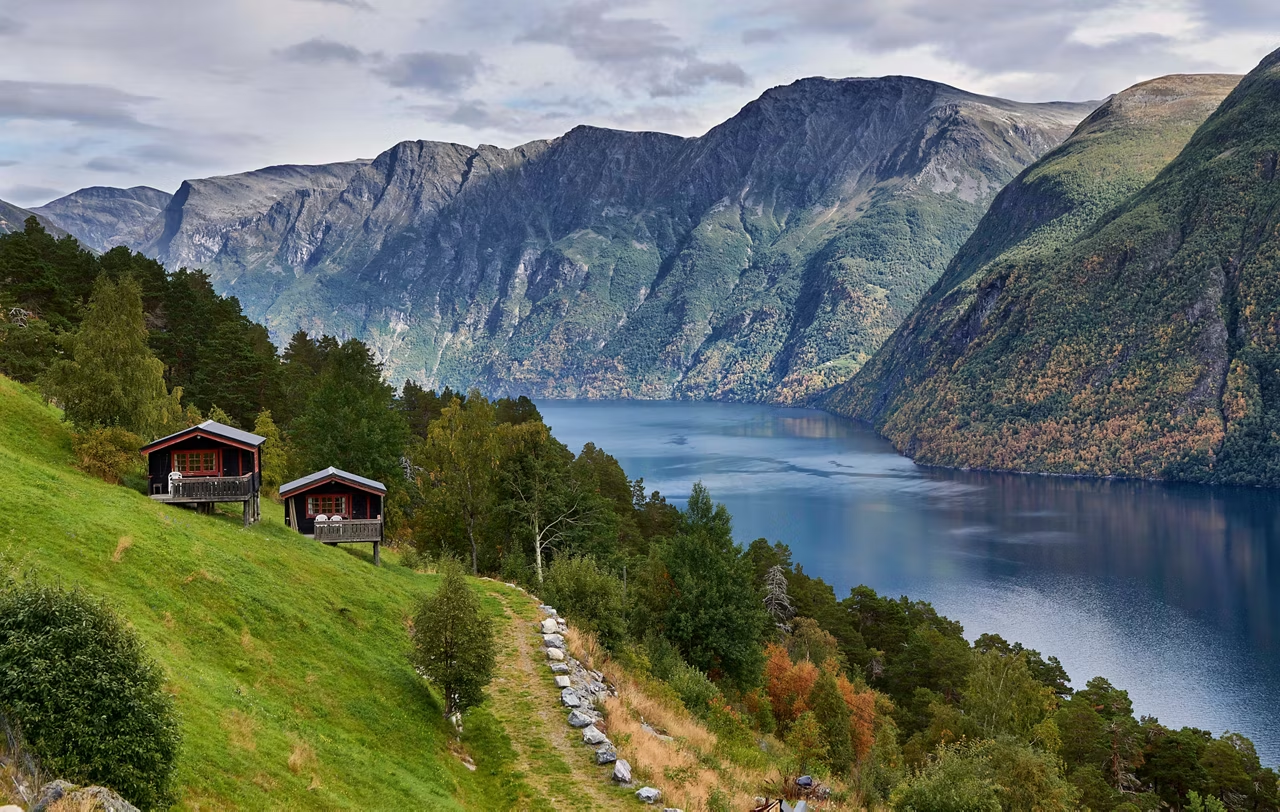
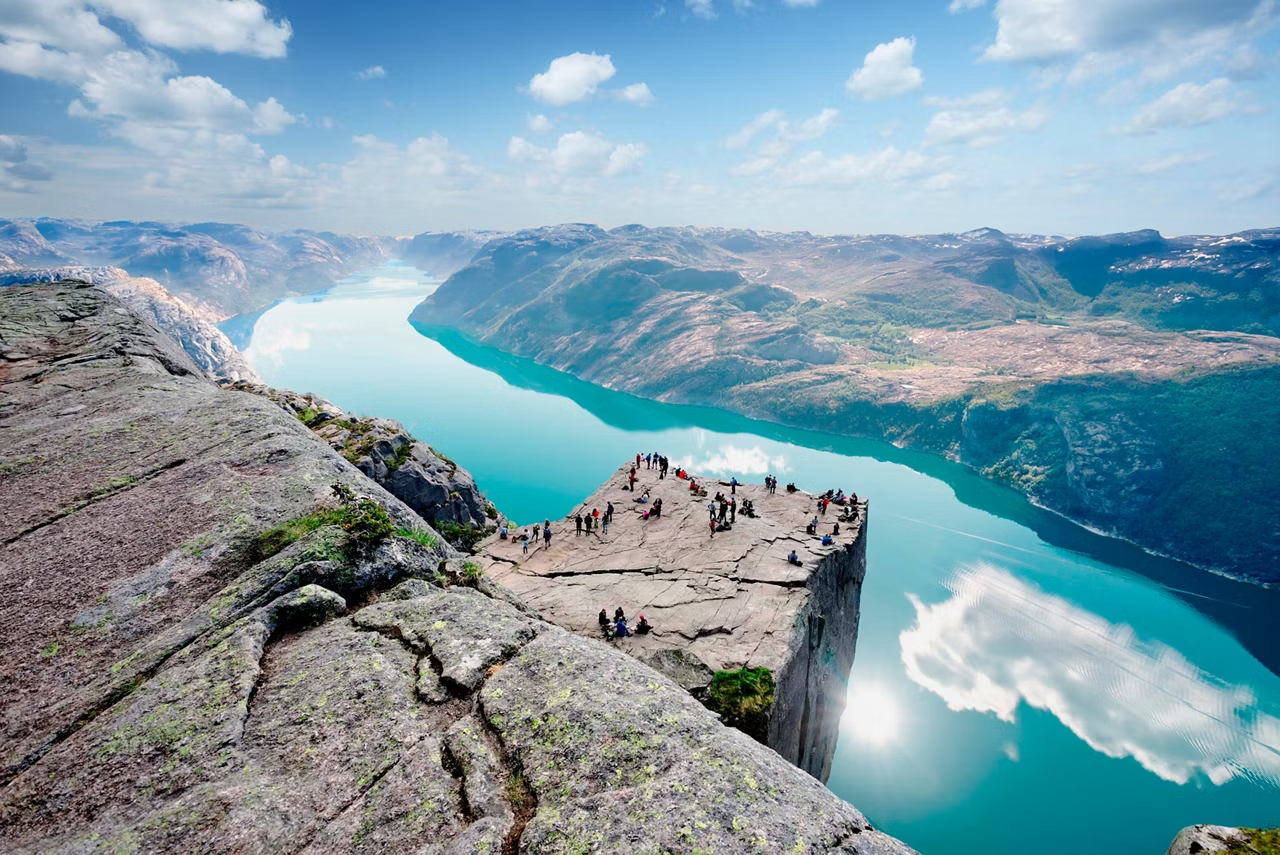
Winter, while cooler and wetter, is still a good time for European cruises. You can still see the Med’s sights – from the Tower of Pisa to the ruins on the ancient Greek island of Delos – with more space and fewer visitors, plus lower temperatures. Or experience Northern Europe in all its snow-covered glory. Our winter Norwegian fjord cruises, for example, offer glacier excursions and snowshoe hikes past frozen waterfalls.
Cruises to the Canary Islands and Madeira are best between May and November. While many UK tourists head to these locations for winter sun, the finest weather can be had during late spring through early autumn. Visitors can expect low rainfall, temperatures in the mid- to high-20s and plenty of sun.
What's the weather like in European countries?
Since Europe covers such a vast area, its weather varies depending on the country and the season. It can even differ between regions within a single country. That’s why it’s important to check the weather for each place you’ll be visiting on your Europe cruise in advance of your trip.
In general, European countries experience mild-to-warm spring temperatures, with some rainfall, which lessens as the season progresses. Evenings get cooler and the sea is usually cool, too, with temperatures below 20°C.
Summers are hot, dry and sunny, with temperatures ranging from the mid-20s to low 30s, depending on location. The further south you go, the warmer it gets, and some places can even hit temperatures in the high 30s. The sea, now warmed by the sun, is perfectly pleasant for swimming.
The heat lessens in the autumn, though there’s still a good amount of sun. By the end of October, expect more rain and less sunlight. Winter weather, in particular, varies between regions. Northern Europe, for example, is often darker and cooler (seeing minus temperatures) and wet or snowy, while Mediterranean countries, such as Italy and Greece, have more moderate winters. Temperatures can reach as high as the mid-teens, though nights tend to be cold and rainfall is common.
Where do European cruises depart from?
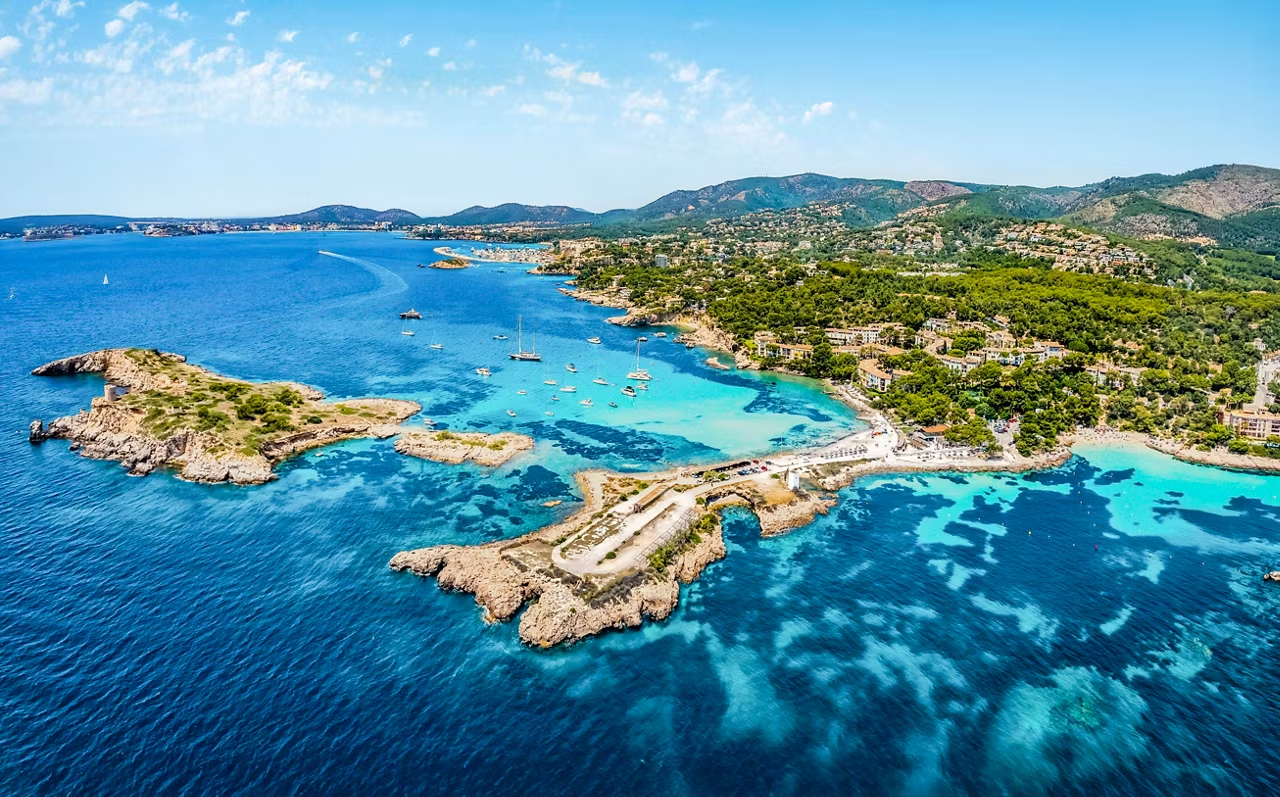
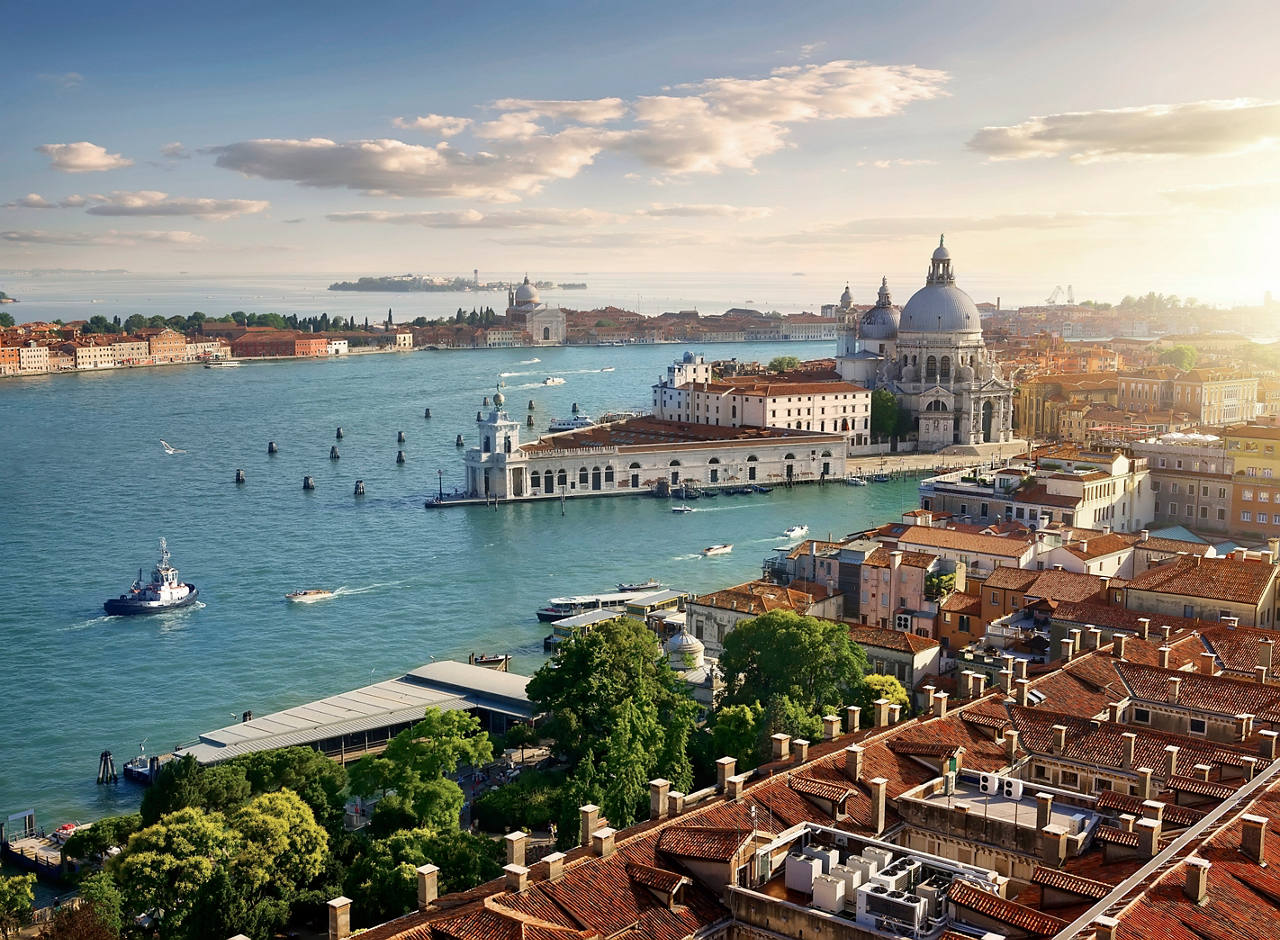
There are several departure points for our European cruises. The main one in the UK is Southampton, from where our Norwegian cruises depart, but you may also meet your ship at locations abroad. For cruises in the western Mediterranean, for example, you may embark from Barcelona, Naples, Rome or Palma de Mallorca. For those in the eastern Mediterranean, you’ll usually board the ship in Venice, and for cruises to the Canary Islands and Madeira, the departure point is in Tenerife.
If you want to make your European cruise holidays even easier, book a Fly & Cruise. These handy packages streamline both the booking and travel process, meaning guests are transported directly from airports in the UK and Ireland (including Manchester, Dublin and Edinburgh) to the necessary European port, before being led onto the ship.
You can also book a Fly & Cruise package that takes you to Denmark’s vibrant capital, Copenhagen, to begin your trip. From here, set off on a cruise that explores the magnificent Norwegian fjords or soak up Scandinavian treasures in Sweden’s Stockholm.
What countries are part of a European cruise?
One of the joys of a European cruise is that it gives guests the chance to explore myriad places on one holiday. Where you go depends on which itinerary you choose.
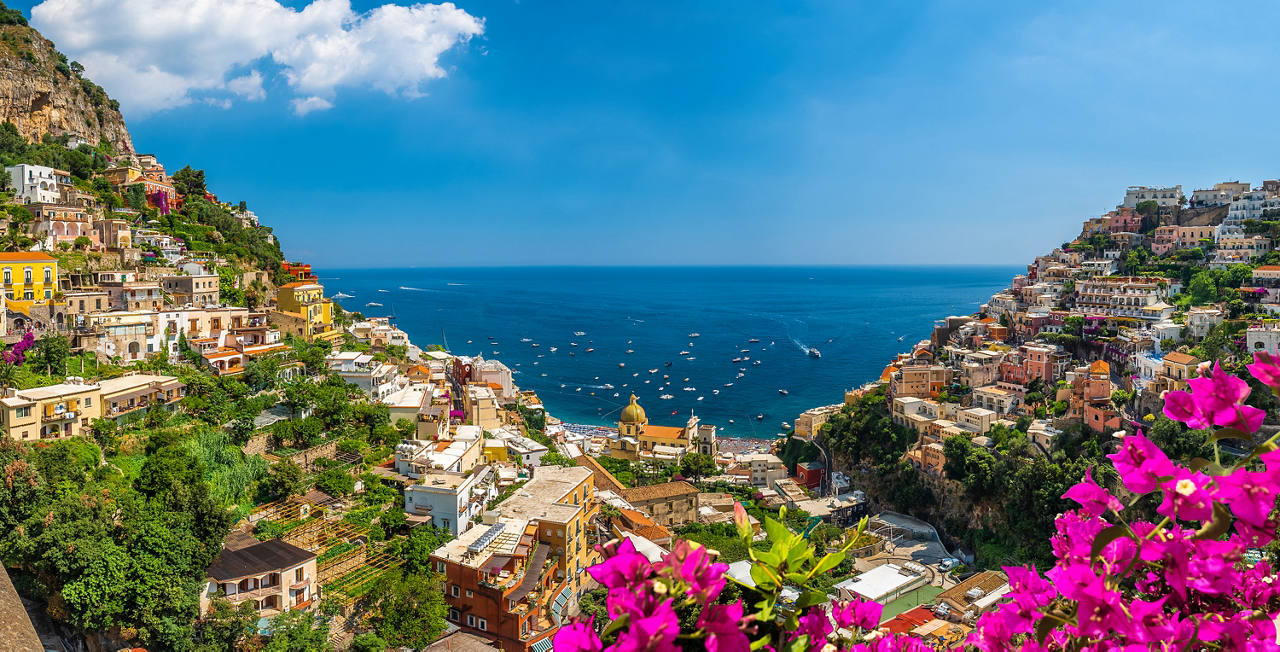
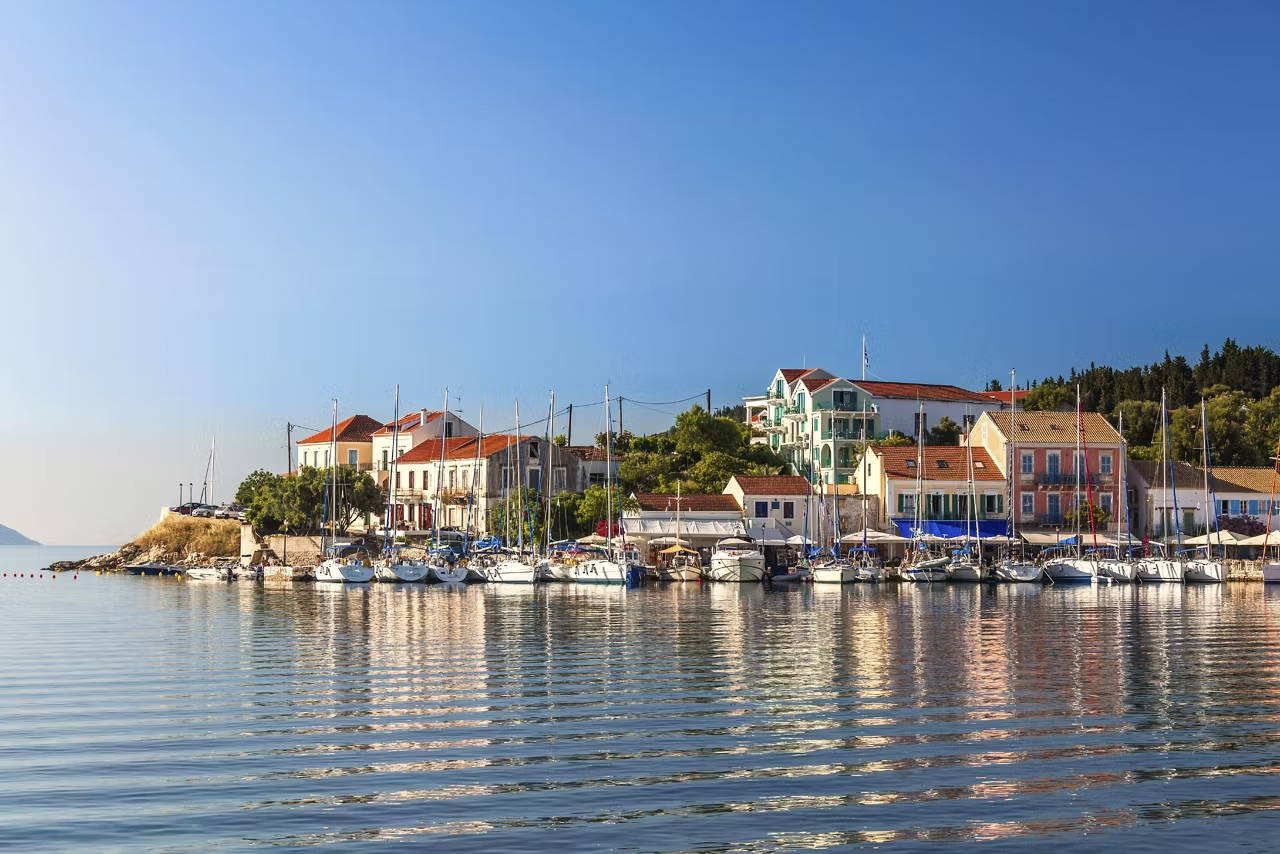
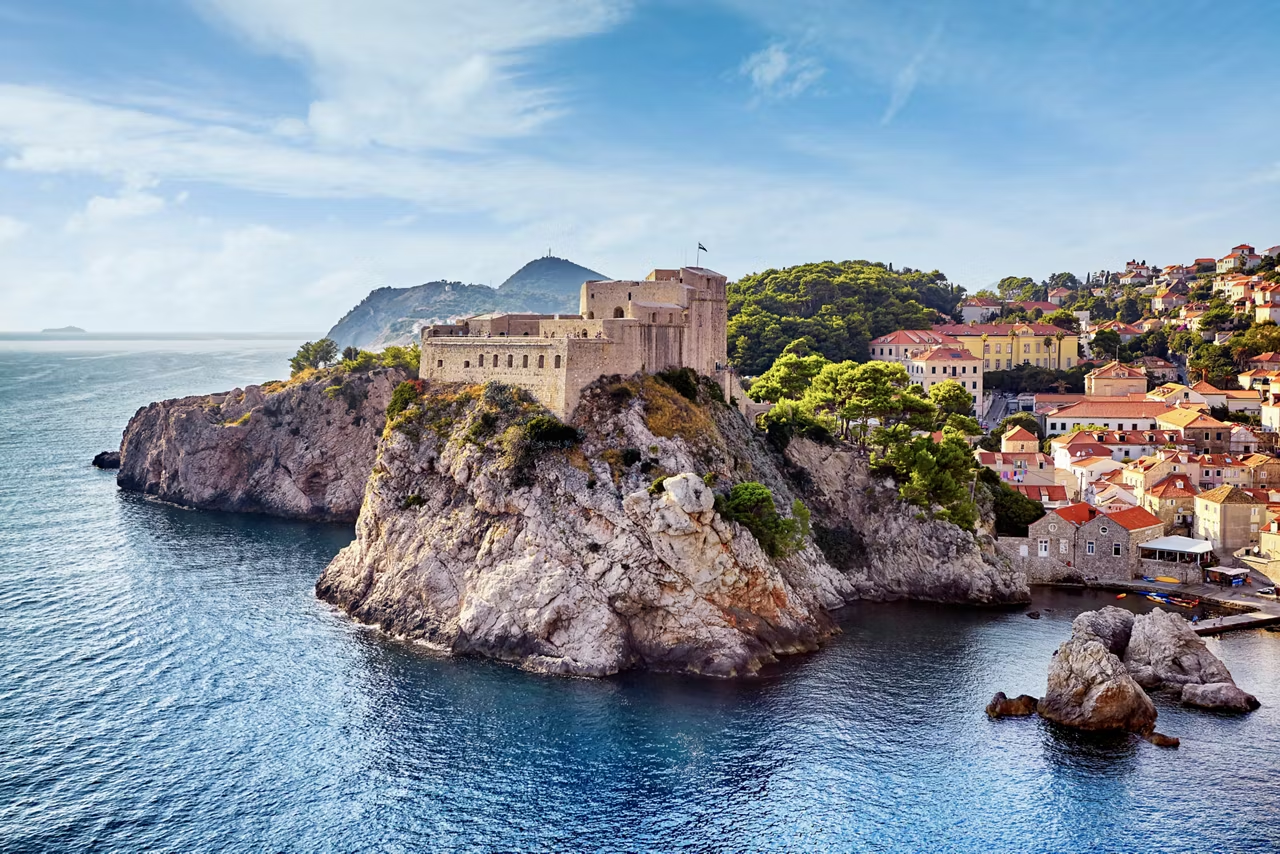
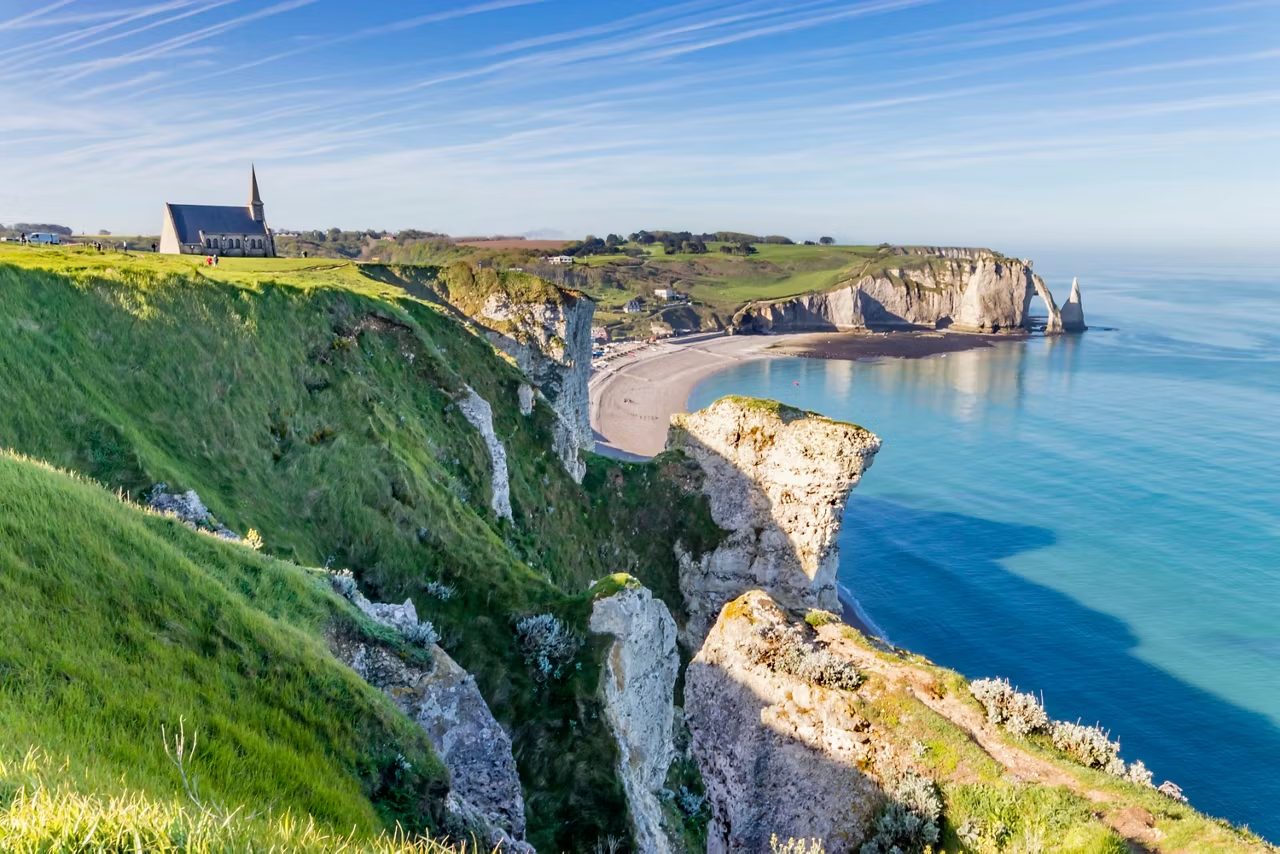
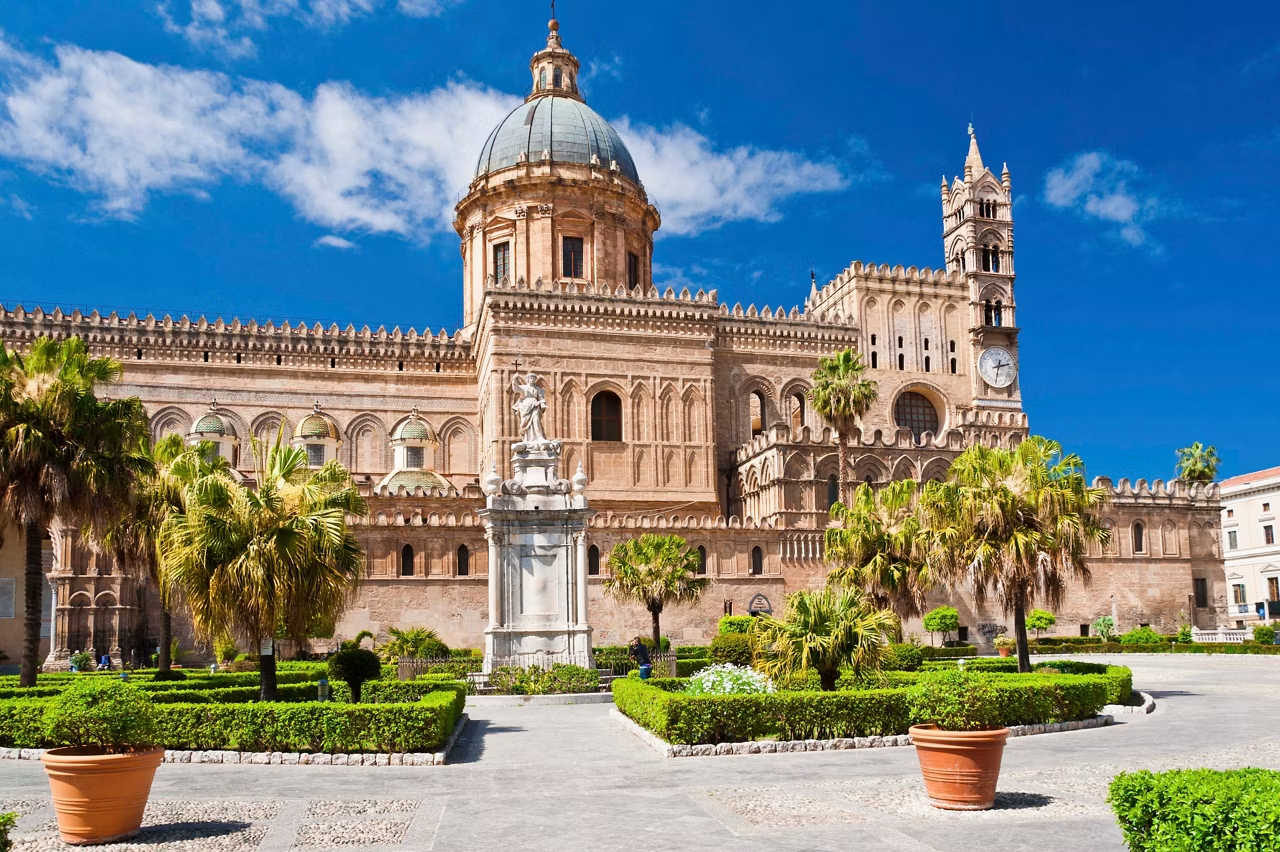
On one of our Mediterranean cruises, for instance, you could experience the charm of Portofino and other towns on the Italian Riviera, or reverently admire the ancient Parthenon in Athens. You may wander the well-preserved city walls in Dubrovnik’s UNESCO-recognised Old Town, or follow in the footsteps of Van Gogh in the French city of Arles.
If you’re more in the mood for Spanish exploration, try tracing the quirky architecture of visionary architect Antoni Gaudí in Barcelona or wandering the city’s atmospheric Gothic Quarter. Alternatively, take a boat trip on a lagoon in Albufera, just outside Valencia, or immerse yourself in cultural learnings at Valencia’s City of Arts and Sciences.
A Canary Islands cruise could see you tasting wines on a volcanic vineyard in Lanzarote, or exploring the wonders of Funchal on a cruise to Madeira.
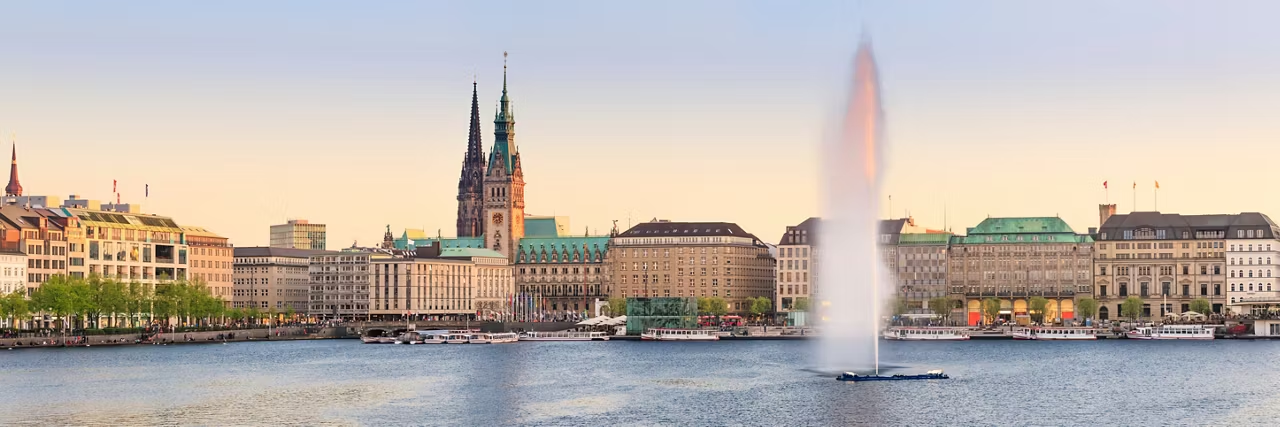
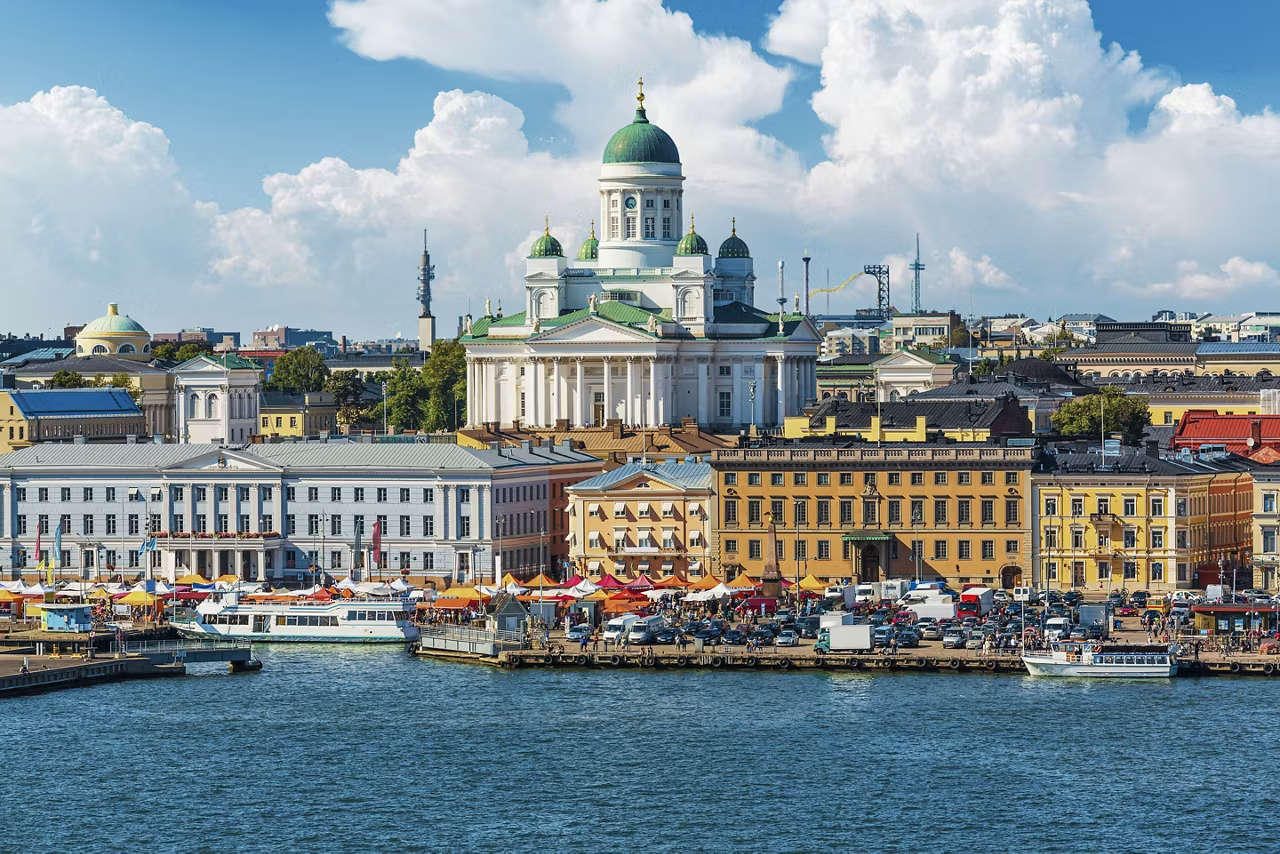
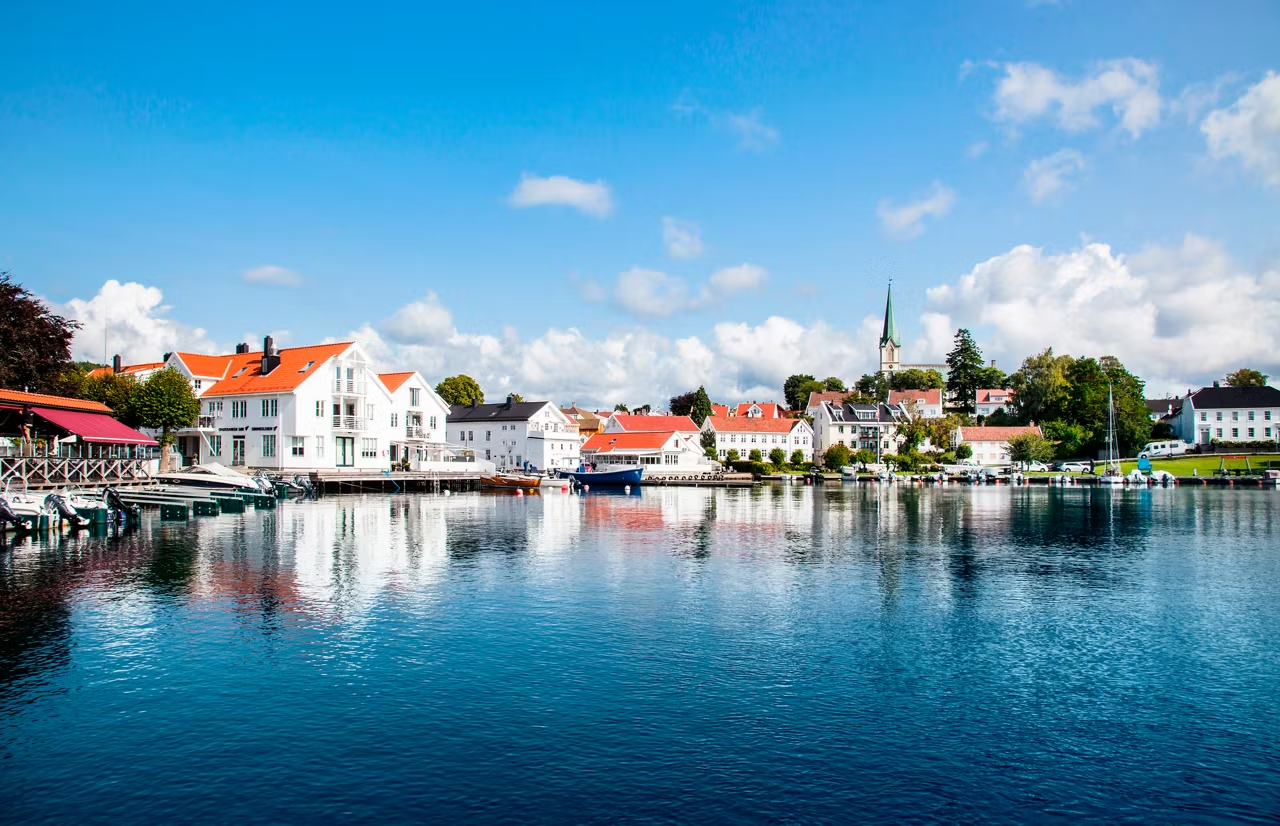
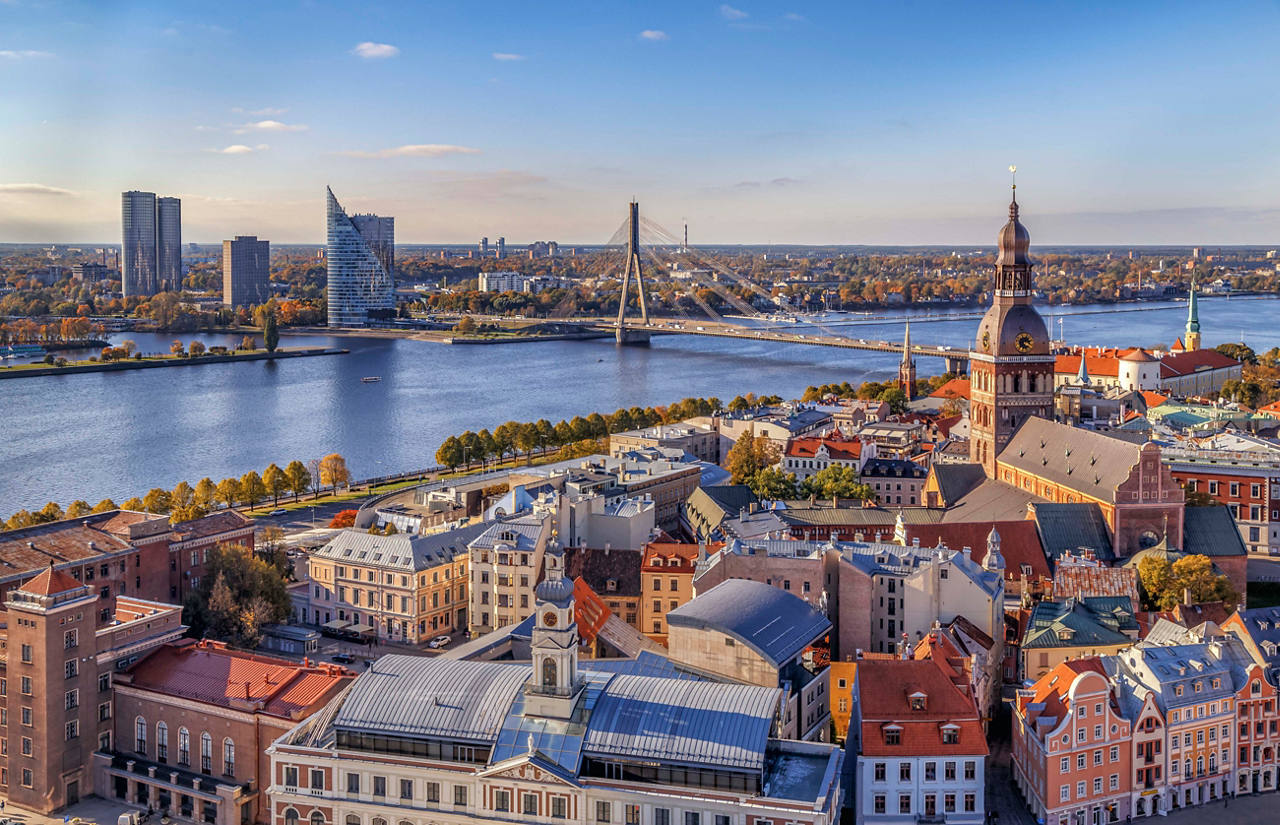
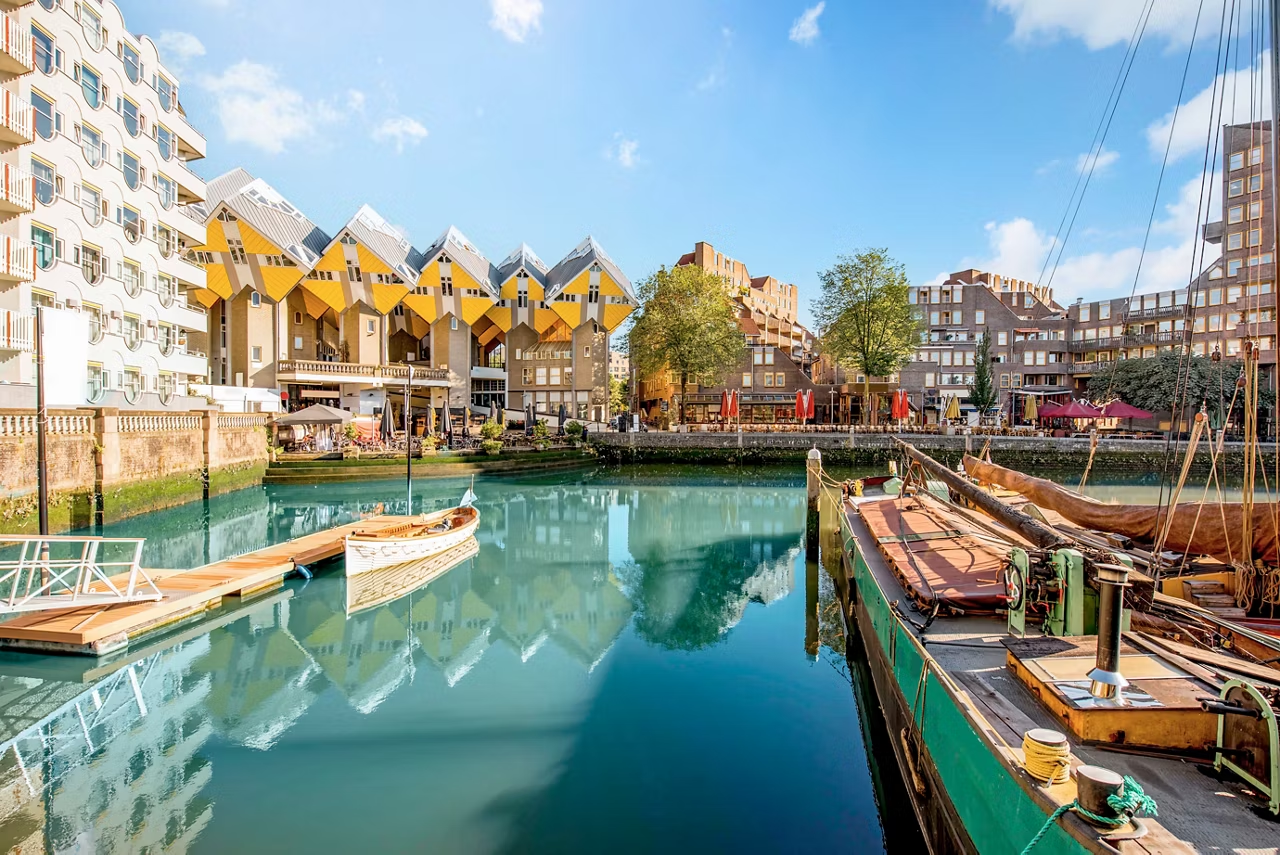
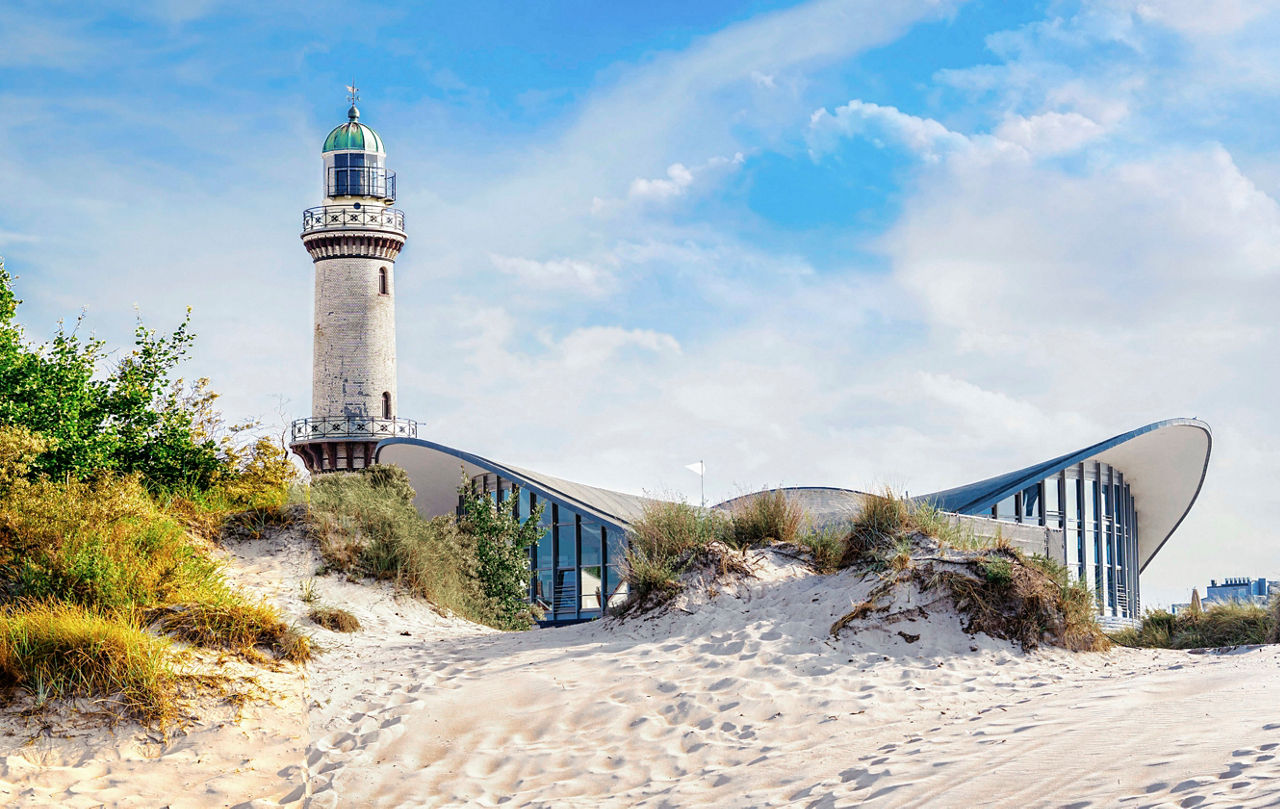
For something a bit different, try our European cruises to Northern Europe. Destinations include Estonia, Belgium and the Netherlands. You might also sail by Norway’s most beautiful fjords, stop in Sweden, where excursions include e-biking through Stockholm, or head ashore in Denmark for fun and games in Copenhagen’s famous Tivoli Gardens, the second-oldest amusement park in the world.
How much is a European cruise?
Whether you’re looking to splash out on a once-in-a-lifetime excursion, or searching for a bargain holiday that suits both your desires and budget, MSC Cruises offers itineraries for everyone. Head to our website to see the current cruise deals to Europe and find your dream itinerary.
What to pack for a European cruise?
What you choose to pack for Europe cruises will change significantly depending on where and when you’re travelling – though comfortable walking shoes are universal.
If you’re cruising the Mediterranean, the Canary Islands or Madeira, you’ll need to pack plenty of light layers in spring and autumn, as days can be mild but temperatures drop in the evening. A waterproof jacket is needed, as rain showers are common. Summers are hot and dry, especially in southern Mediterranean countries, so lightweight clothing in breathable fabrics, like cotton or linen, is a must.
Winter is where these regions vary the most. The Canary Islands and Madeira remain relatively warm, while the Mediterranean is slightly cooler (and rainier). Visitors will need jumpers, long trousers and a waterproof jacket.
Those cruising in Northern Europe will find the weather is generally colder, wetter and more unpredictable. This requires some smart packing. Spring temperatures can range from cold to cool, so bring long layers, including thermals. Gloves, hats and scarves are also a good idea – and, of course, rain gear. Autumn requires similar items, though lighter layers might be needed in September and early October. Got a cruise planned in winter? You’ll need all of the above, thicker layers and an insulated coat.
Happily, summer is often mild to warm, with fewer showers. You’ll need light layers, a waterproof jacket, and a mixture of shorts and long trousers.
How long is a European cruise?
The length of your cruise depends on the itinerary you choose. Our trips range from a two-night jaunt from Barcelona to Genoa, to an epic 15-night voyage starting in Denmark and stopping in Sweden, Germany, Norway and more. We offer cruises in Europe to suit every traveller.
What is the best European cruise?
How to cruise Europe is a personal choice, so the best cruise for you will depend on what you’re looking for in a holiday.
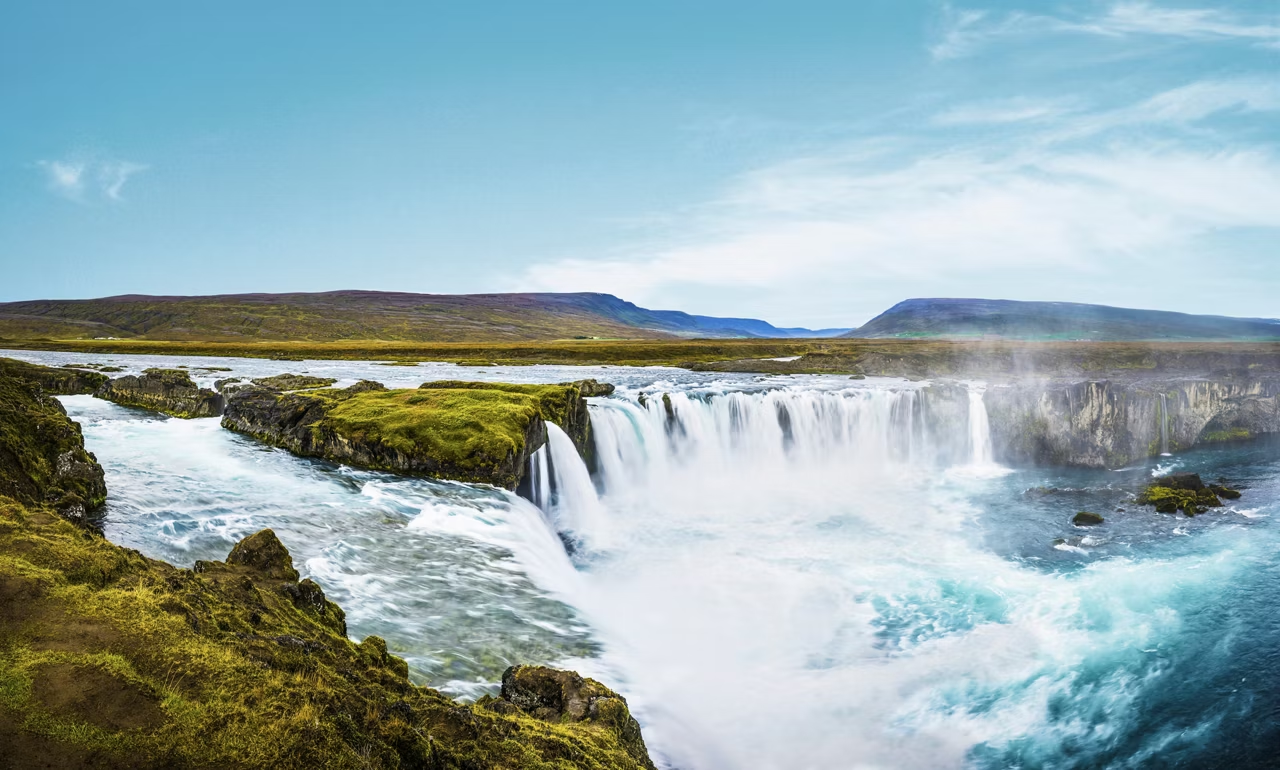
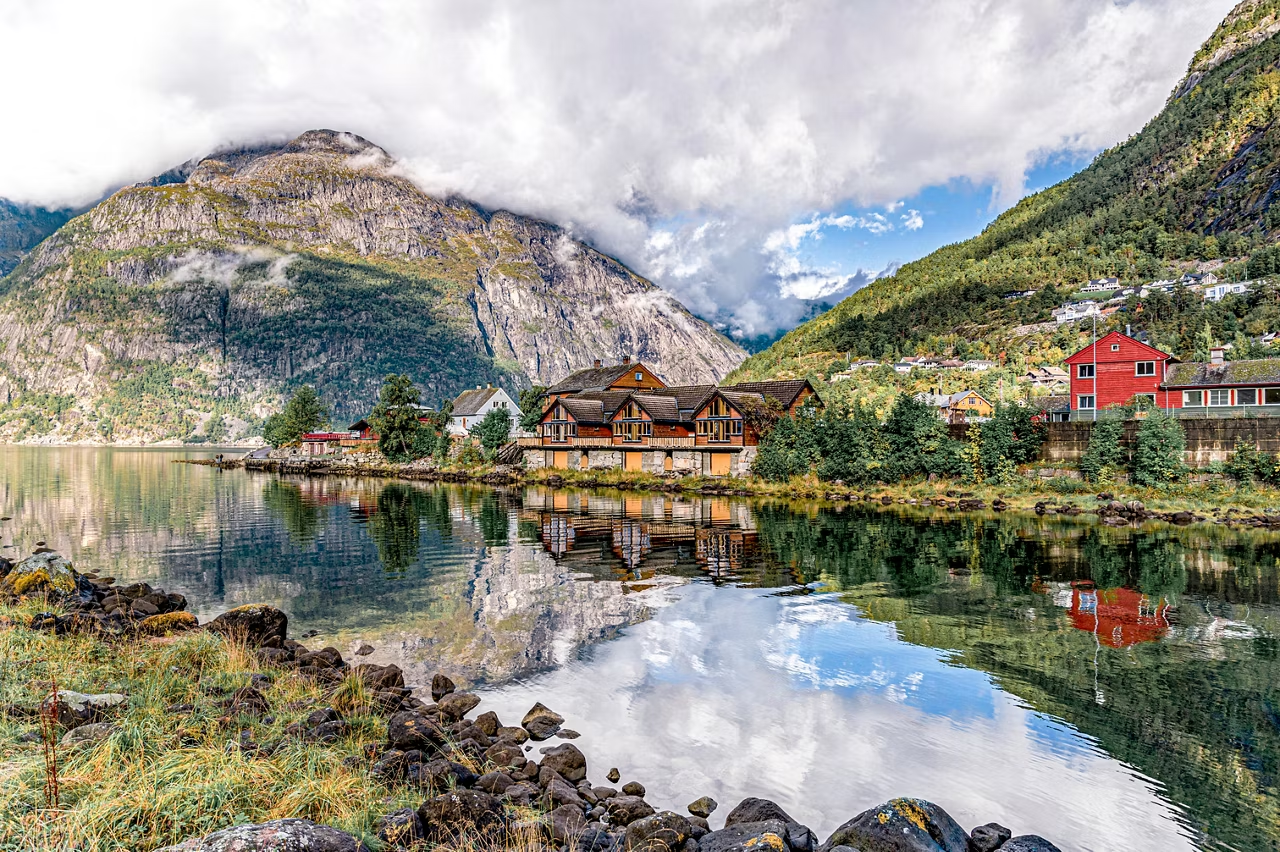
If you’re a lover of the outdoors, for example, you’ll surely be captivated by a Norwegian fjords cruise. Our itineraries showcase the country’s natural wonders – from impressive waterfalls to imposing mountains – and, of course, fjords renowned for their beauty. Visitors can discover the fjords via hikes, bikes, boat rides or railways.
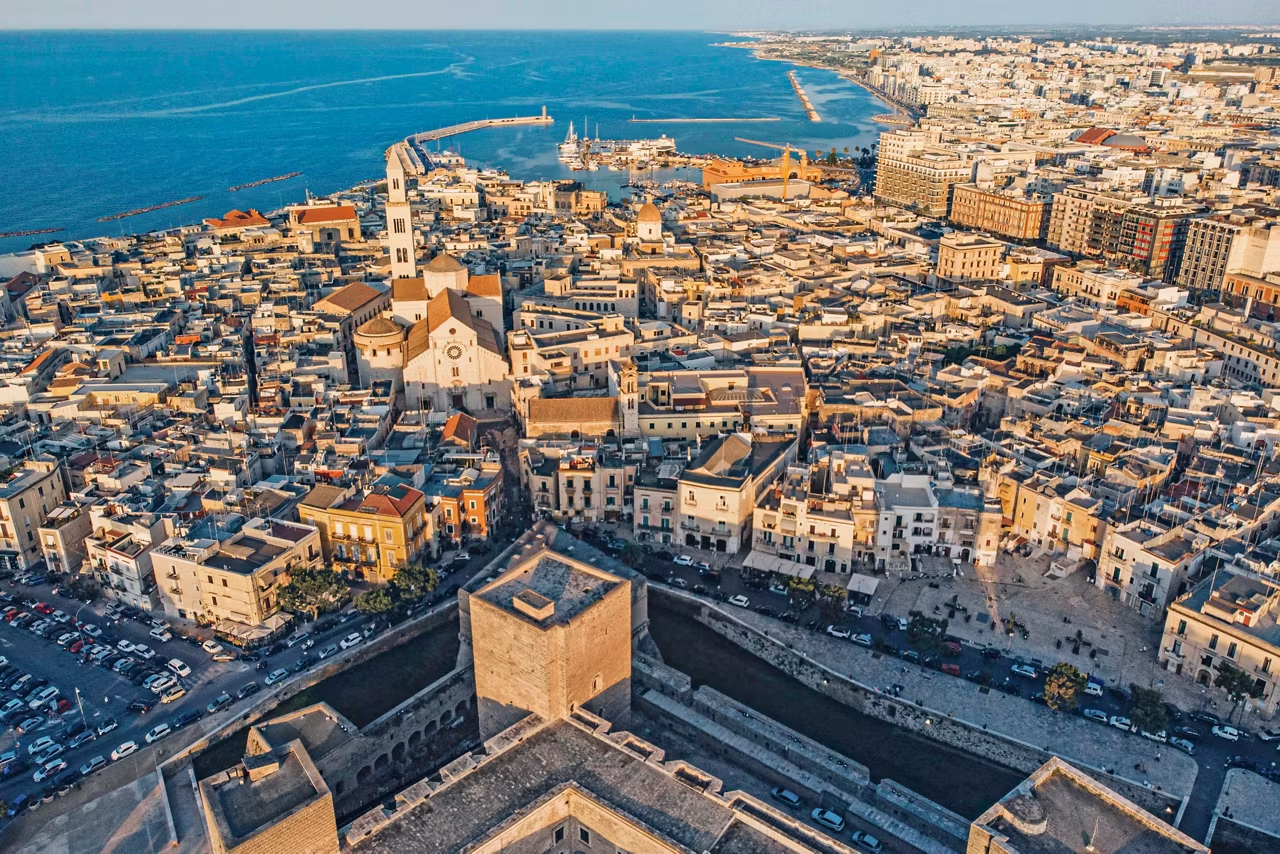
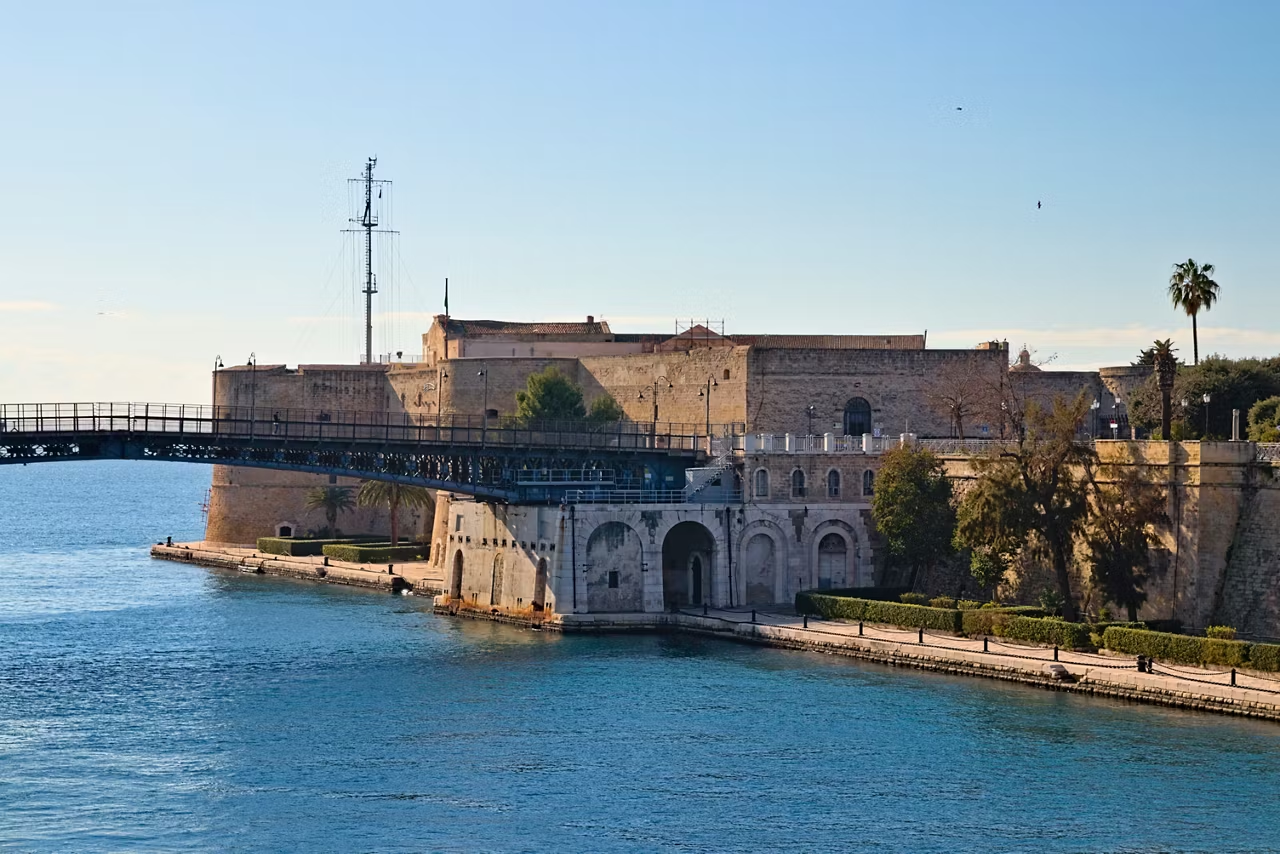
Those who prefer history over hikes might enjoy a Mediterranean cruise, where they can visit incredible archaeological sites such as the ruins of Carthage in Tunisia, the huge theatre, baths and temple at ancient Ephesus in Turkey, and the world-famous Roman city of Pompeii, frozen in time, near Naples.
If you’re hoping for beach days and winery visits, a Canary Islands cruise can deliver. Sunbathe on the golden sands of Maspalomas Beach in Gran Canaria, sip Malvasía Volcánica in otherworldly vineyards in Lanzarote, and sail away on a catamaran adventure in Fuerteventura.


